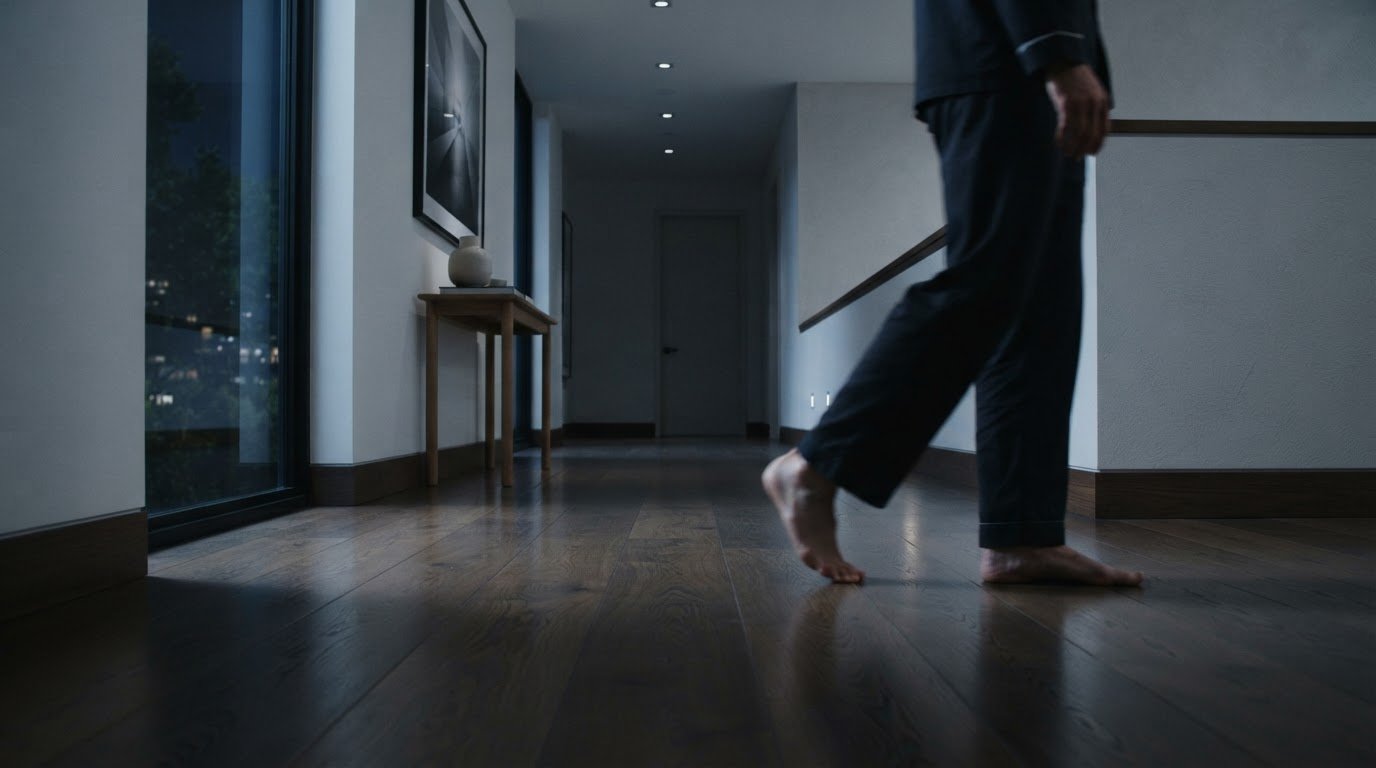

Understanding the Mystery of Nocturnal Movement
Waking up in a different room than where you fell asleep can be a disorienting and unsettling experience. Known clinically as somnambulism, or more commonly as sleep walking, this phenomenon involves complex behaviors performed while an individual is in a state of deep sleep. While it often appears as a simple stroll through the house, sleepwalking is a sophisticated sleep behavior that bridges the gap between rest and activity.
For parents witnessing their child navigate a hallway with glassy eyes, or for adults who find themselves in the kitchen at 3:00 AM, the primary question is always the same: what causes the brain to initiate movement while the consciousness remains asleep? Understanding the mechanics of noctambulation (another term for sleepwalking) requires a look into the architecture of the human sleep cycle and the various triggers that can disrupt it.
The Science of Somnambulism: A Disorder of Arousal
Sleep is not a uniform state of unconsciousness. It is divided into cycles of Rapid Eye Movement (REM) and Non-Rapid Eye Movement (NREM). Somnambulism typically occurs during NREM Stage 3, also known as deep or slow-wave sleep. During this stage, the body is meant to be at its most restful, with brain waves slowing significantly.
Sleepwalking is classified as a “disorder of arousal.” This means the brain is caught in a transition state—partially awake enough to perform complex motor tasks like walking or even opening doors, but still deeply immersed in NREM sleep. In this state, the prefrontal cortex, which governs logic and decision-making, remains dormant, while the motor cortex and the parts of the brain responsible for basic navigation are active.
What Triggers Sleepwalking in Children?
Sleep walking in children is remarkably common, affecting up to 15% of kids at least once. In most cases, it is a developmental milestone rather than a medical concern. Because a child’s nervous system is still maturing, the transitions between sleep stages can be “glitchy.”
- Genetics: If one or both parents have a history of somnambulism, their children are significantly more likely to experience it.
- Overtiredness: When a child is severely sleep-deprived, they often spend more time in Stage 3 deep sleep, which increases the window of opportunity for an episode to occur.
- Fever and Illness: Elevated body temperatures can trigger fragmented sleep and unusual nocturnal movement.
Understanding Sleep Walking in Adults
While most children outgrow these episodes by puberty, sleep walking in adults is often more complex and may require closer clinical attention. When somnambulism persists into or begins in adulthood, it is frequently linked to external stressors or underlying health conditions.
Understanding what triggers sleepwalking in adults is essential for safety. Common adult triggers include:
- Chronic Stress and Anxiety: High levels of cortisol can interfere with the brain’s ability to transition smoothly through sleep stages.
- Medication Side Effects: Certain sedative-hypnotics, antidepressants, and even some over-the-counter antihistamines have been linked to increased sleep behavior.
- Alcohol Consumption: While alcohol may help a person fall asleep faster, it fragmentizes the sleep cycle and increases the likelihood of a partial arousal during the night.
- Obstructive Sleep Apnea (OSA): When breathing is interrupted, the brain may “jerk” out of deep sleep, leading to a sleepwalking episode.
Comparing Related Sleep Behaviors
It is important to distinguish somnambulism from other sleep-related issues. For instance, some people may experience difficulty waking up, wondering why do I not want to get out of bed when I wake up. This is often related to sleep inertia or mood disorders rather than a disorder of arousal. Similarly, while sleepwalking involves unwanted activity, some individuals struggle with the opposite—an inability to get active during the day. Investigating what causes a person to stay in bed all day can reveal issues like clinomania or severe depression, which are distinct from the involuntary movements of somnambulism.
Furthermore, the duration of sleep plays a role in overall health. While sleepwalkers might have disrupted rest, others may wonder do long sleepers live longer? The reality is that both excessive sleep and fragmented sleep can impact longevity and cognitive health.
Practical Management and Safety Tips
The primary concern with any form of nocturnal movement is safety. Since the sleepwalker is not aware of their surroundings, the environment must be managed to prevent injury.
- Secure the Environment: Use deadbolts on exterior doors, install safety gates at the top of stairs, and remove tripping hazards from the floor.
- Prioritize Sleep Hygiene: Maintaining a consistent sleep schedule reduces the “rebound” deep sleep that often triggers somnambulism.
- Gentle Guidance: If you encounter someone sleepwalking, do not startle them. Gently lead them back to bed. Waking them is not dangerous, but it can cause significant confusion and agitation.
Conclusion
Whether it is a child navigating their first few years of life or an adult dealing with the pressures of stress, sleep walking is a sign that the brain’s transition between sleep and wakefulness is being interrupted. By addressing triggers such as sleep deprivation and stress, and ensuring a safe sleeping environment, most people can manage somnambulism effectively. If episodes become frequent or violent, consulting a sleep specialist is the best course of action to rule out underlying medical conditions.
Frequently Asked Questions
Is it dangerous to wake a sleepwalker?
It is a common myth that waking a sleepwalker will cause a heart attack or brain damage. It is not dangerous, but it can be very disorienting for the individual. They may be confused, scared, or even lash out instinctively. The best approach is to gently guide them back to bed without fully waking them.
Does sleepwalking mean I am dreaming?
Actually, no. Sleepwalking occurs during NREM Stage 3 (deep sleep), whereas most vivid dreaming occurs during REM sleep. A sleepwalker is usually not acting out a dream, but rather performing automatic motor tasks while the brain is in a state of partial arousal.
When should I see a doctor about somnambulism?
You should consult a sleep specialist if the episodes occur more than twice a week, result in injury, involve leaving the house, or if the sleepwalking starts for the first time in adulthood.